

详细内容
Skip to main contentEnable accessibility for low visionOpen the accessibility menu


AI for Research, Built on Evidence
Use Table Mode
 ResearchersGet cited answers grounded in scholarly research
 CorporateTrack drug development, trials, and emerging science
 UniversitiesMonitor and improve research impact across your institution
 PublishersIncrease publication visibility and support your authors
Partnered with the world’s leading publishers







+ many more
Used by the world’s leading organizations


+ many more
What sets Scite apart?
We combine unmatched access to both Open Access and paywalled content with our Smart Citations database that analyzes and classifies 1.5b+ citations across 200M+ sources. This combination powers our AI and search tools, giving you verifiable insights you can trust.
Scite Overview
04:53
Extracted citations in a report page
supporting
Confidence 93%1
Our deep learning model classifies each citation context automatically. The numbers show how sure it is of a classification.
“…Compared to the diploid parental line, the frequencies of chromosome2
You can find the exact citation context here. Clicking on the title of the citing paper takes you directly to the publication.
missegregation and micronuclei formation were significantly elevated in most PTA clones (Figure 2A) but not in the tetraploid line (Figure 2A).In agreement with previous work (Nicholson et al , 2015), the trisomic clones showed similar aberrations, albeit to a lesser extent (Supplemental Figure S2B).Furthermore, we observed an increase of structural aberrations in PTA lines and, consistent with earlier work ( Kuznetsova et al 3
You can click on any citation in the excerpt to explore related articles.
2015; Passerini et al, 2016) also in trisomic clones (Figure 2B).…”
Viganó,
von Schubert
2018
_Molecular Biology of the Cell_Section: Results
4
You can see where the citation appeared.
Slide 1 of 4
1
Our deep learning model classifies each citation context. The numbers show how sure it is of a classification.
2
You can find the exact citation context here. Clicking on the title of the citing paper takes you directly to the publication.
3
You can click on any citation in the excerpt to explore related articles.
4
You can see in which section of the citing paper the citation appeared.
Trusted by researchers and organizations around the world
Over 2,000,000 researchers, students, and industry experts trust Scite
"Scite is an incredibly clever tool. The feature that classifies papers on whether they find supporting or contrasting evidence for a particular publication saves so much time. It has become indispensable to me when writing papers and finding related work to cite and read."

Emir Efendić, Ph.D
Maastricht University
"As a PhD student, I'm so glad that this exists for my literature searches and papers. Being able to assess what is disputed or affirmed in the literature is how the scientific process is supposed to work, and Scite helps me do this more efficiently."
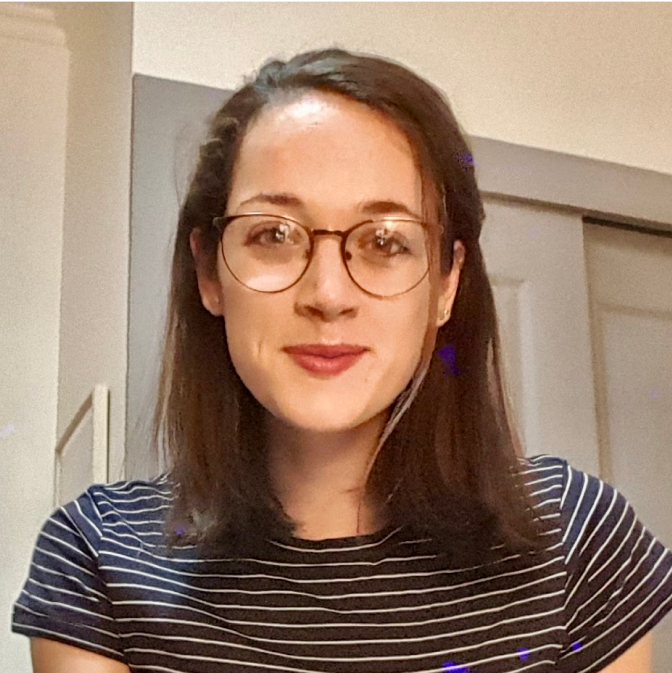
Kathleen C McCormick, Ph.D Student
Cornell
"Scite is such an awesome tool! It’s never been easier to place a scientific paper in the context of the wider literature."

Mark Mikkelsen, Ph.D
The Johns Hopkins University School of Medicine
"This is a really cool tool. I just tried it out on a paper we wrote on flu/pneumococcal seasonality... really interesting to see the results were affirmed by other studies. I had no idea."
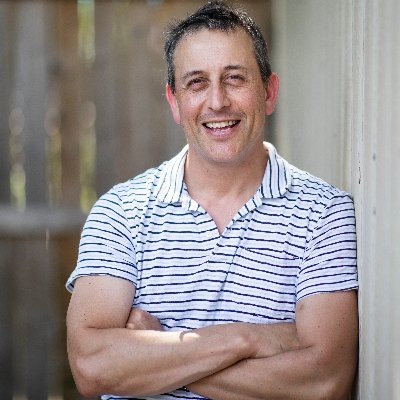
David N. Fisman, Ph.D
University of Toronto
Slide 1 of 4
"scite is an incredibly clever tool. The feature that classifies papers on whether they find supporting or contrasting evidence for a particular publication saves so much time. It has become indispensable to me when writing papers and finding related work to cite and read."
Emir Efendić, Ph.D
Maastricht University
"As a PhD student, I'm so glad that this exists for my literature searches and papers. Being able to assess what is disputed or affirmed in the literature is how the scientific process is supposed to work, and scite helps me do this more efficiently."
Kathleen C McCormick, Ph.D Student
Cornell
"scite is such an awesome tool! It’s never been easier to place a scientific paper in the context of the wider literature."
Mark Mikkelsen, Ph.D
The Johns Hopkins University School of Medicine
"This is a really cool tool. I just tried it out on a paper we wrote on flu/pneumococcal seasonality... really interesting to see the results were affirmed by other studies. I had no idea."
David N. Fisman, Ph.D
University of Toronto
"scite is an incredibly clever tool. The feature that classifies papers on whether they find supporting or contrasting evidence for a particular publication saves so much time. It has become indispensable to me when writing papers and finding related work to cite and read."
Emir Efendić, Ph.D
Maastricht University
"As a PhD student, I'm so glad that this exists for my literature searches and papers. Being able to assess what is disputed or affirmed in the literature is how the scientific process is supposed to work, and scite helps me do this more efficiently."
Kathleen C McCormick, Ph.D Student
Cornell
"scite is such an awesome tool! It’s never been easier to place a scientific paper in the context of the wider literature."
Mark Mikkelsen, Ph.D
The Johns Hopkins University School of Medicine
"This is a really cool tool. I just tried it out on a paper we wrote on flu/pneumococcal seasonality... really interesting to see the results were affirmed by other studies. I had no idea."
David N. Fisman, Ph.D
University of Toronto
Do better research
Join scite to be a part of a community dedicated to making science more reliable.
Book a demo Join now

Scite is an AI-powered platform that helps researchers discover and evaluate scientific literature through Smart Citations, showing whether studies support or contradict a claim. Now part of Research Solutions, Scite has indexed 1.4B+ citations, partners with 30+ publishers, and serves 2M users worldwide.
Contact Info
customersupport@researchsolutions.com
10624 S. Eastern Ave., Ste. A-614
Henderson, NV 89052, USA


Product
Scite Assistant Search Reference Check Dashboards
Resources
Pricing Help & FAQ Request a Demo Blog
Company
About News & Press Careers Contact
Legal
Privacy Policy Terms of Service API Terms Accessibility Statement
This site is protected by reCAPTCHA and the Google Privacy Policy and Terms of Service apply.
Copyright © 2025 Scite LLC. All rights reserved.
Made with 💙 for researchers
Part of the Research Solutions Family.

By clicking “Allow All”, you agree to the storing of cookies on your device to enhance site navigation, analyze site usage, and assist in our marketing efforts (including targeted advertising).
For more information see our Privacy Policy
Customize SettingsReject All Unnecessary CookiesAllow All